



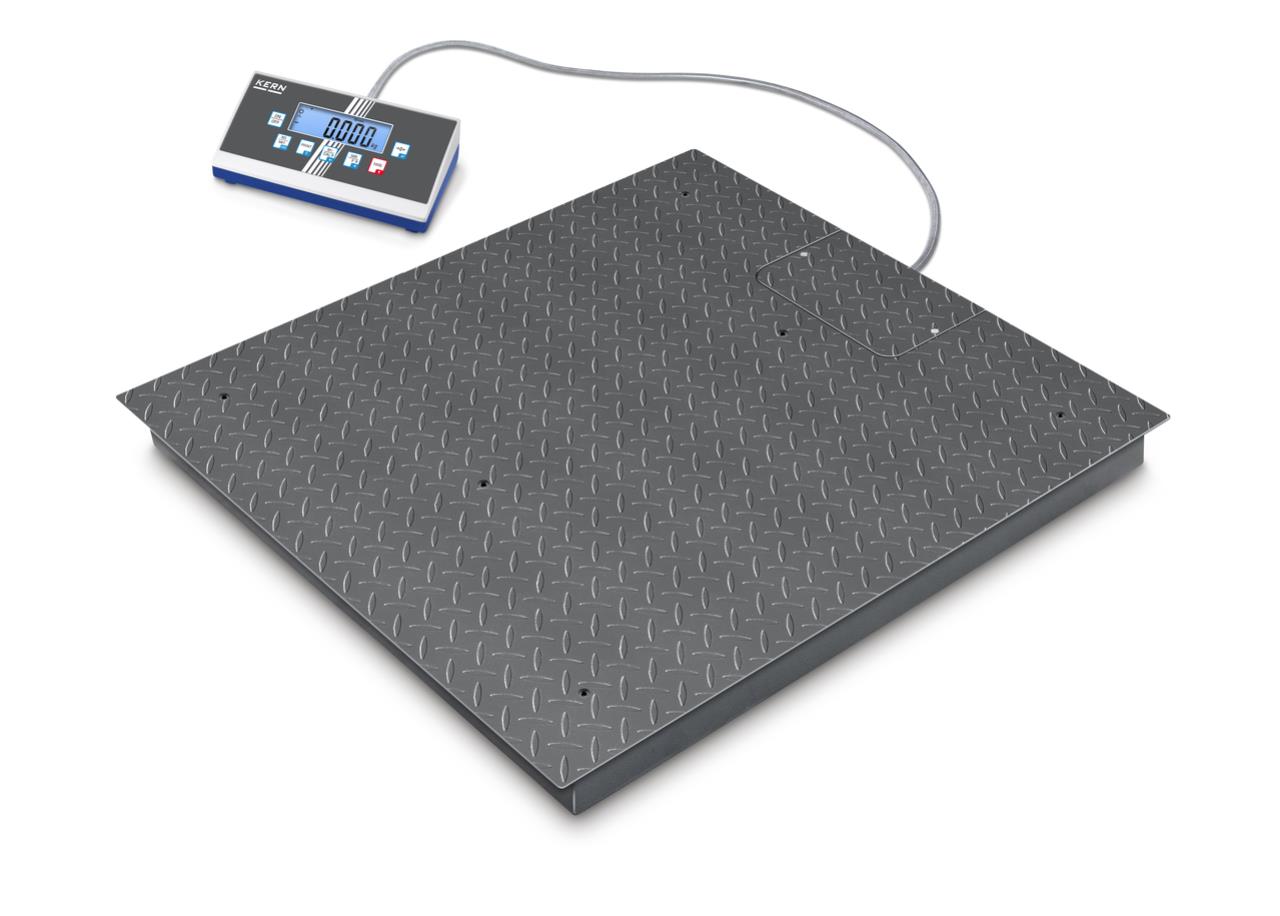
- Weighing range [Max] in kg: 1500
- Weighing plate width in mm: 1200
- Weighing plate depth in mm: 1500
- Weighing plate material: Steel, powder-coated
- Warranty services: DAkkS calibratable


- >li>Precision weighing of industrial loads >li>Robust, high-resolution measurement accuracy
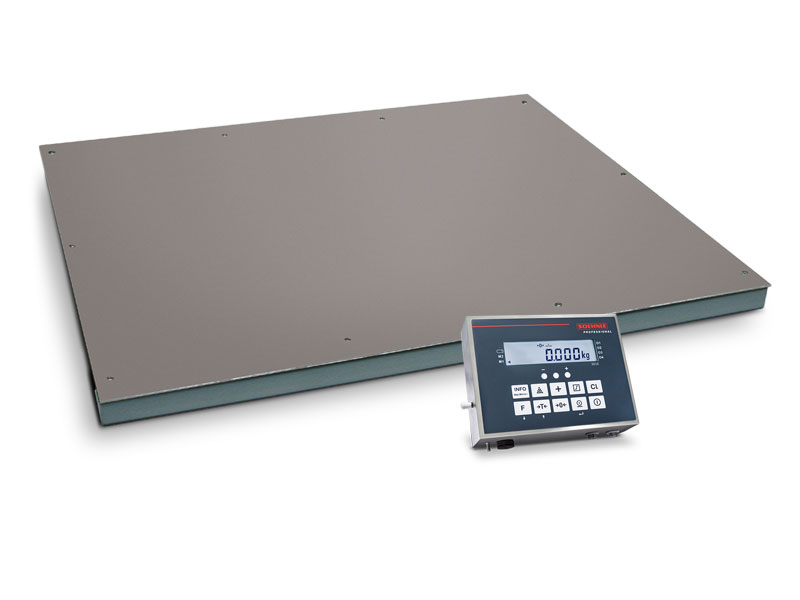
- Weighing range [Max] in kg: 1500
- Weighing plate width in mm: 1500
- Weighing plate depth in mm: 1250
- Weighing plate material: Steel, painted
- Warranty services: DAkkS calibratable, ISO calibratable


- Industry and logistics measurements
- Rugged, precise weight detection

- Weighing range [Max] in kg: 1500
- Weighing plate width in mm: 1000
- Weighing plate depth in mm: 1000
- Weighing plate material: Steel, painted
- Warranty services: DAkkS calibratable, ISO calibratable

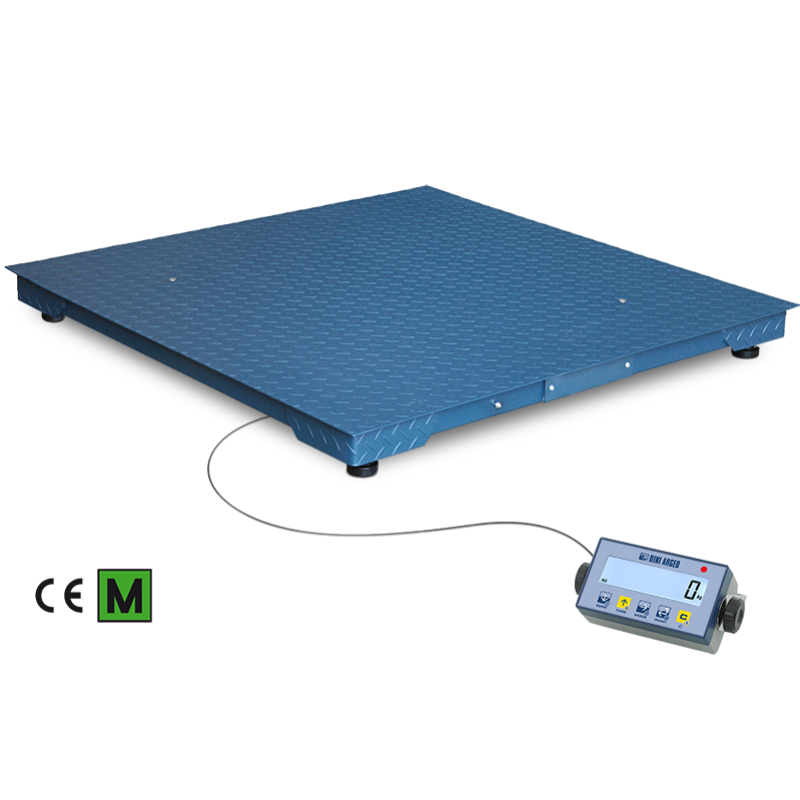


- Industry, Trade, Logistics, Agriculture
- Robust, precise, multifunctional, investment-safe

- Weighing range [Max] in kg: 3000
- Weighing plate width in mm: 1500
- Weighing plate depth in mm: 1250
- Weighing plate material: Steel, painted
- Warranty services: DAkkS calibratable, ISO calibratable
- Industry, Trade, Storage, Production
- Precise, Robust, Calibratable, User-friendly

- Weighing range [Max] in kg: 600
- Weighing plate width in mm: 1500
- Weighing plate depth in mm: 1250
- Weighing plate material: Steel, painted
- Warranty services: DAkkS calibratable, ISO calibratable
- Industrial, flexible, precise, reliable
- Robust, maintenance-free, high accuracy

- Weighing range [Max] in kg: 600
- Weighing plate width in mm: 1500
- Weighing plate depth in mm: 1250
- Weighing plate material: Stainless steel
- Warranty services: DAkkS calibratable, ISO calibratable
- Diverse industries, precise weighing
- Reliable, robust, precise, flexible

- Weighing range [Max] in kg: 600
- Weighing plate width in mm: 1250
- Weighing plate depth in mm: 1000
- Weighing plate material: Stainless steel
- Warranty services: DAkkS calibratable, ISO calibratable
- Industrial and Commercial Scales
- Robust Precision Measuring Instruments
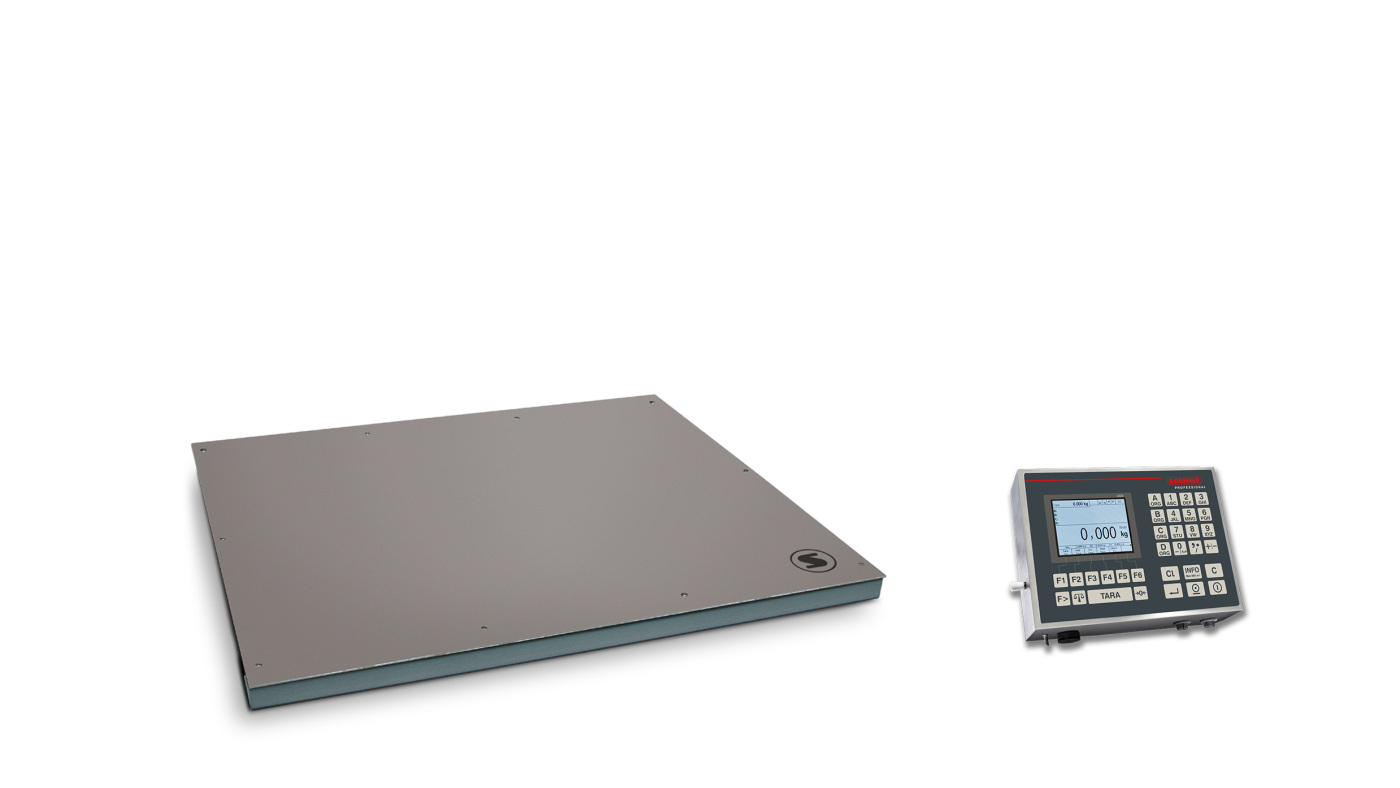
- Weighing range [Max] in kg: 1500
- Weighing plate width in mm: 1500
- Weighing plate depth in mm: 1250
- Weighing plate material: Steel, painted
- Warranty services: DAkkS calibratable, ISO calibratable
- Industry, Commerce, Robust, Accurate
- High-Precision, User-Friendly, Robust, Versatile

- Weighing range [Max] in kg: 600
- Weighing plate width in mm: 1000
- Weighing plate depth in mm: 1000
- Weighing plate material: Steel, powder-coated
- Warranty services: DAkkS calibratable, Calibratable
- Industry, Commerce, Logistics, Production
- Precise, Robust, IP67-protected

- Weighing range [Max] in kg: 1500
- Weighing plate width in mm: 1500
- Weighing plate depth in mm: 1250
- Weighing plate material: Stainless steel
- Warranty services: DAkkS calibratable, Calibratable
- Versatile industrial weighing platform
- Robust precise weighing technology

- Weighing range [Max] in kg: 3000
- Weighing plate width in mm: 1500
- Weighing plate depth in mm: 1500
- Weighing plate material: Steel, painted
- Warranty services: DAkkS calibratable, ISO calibratable
- Industrial and commercial weighing
- Precise, robust construction

- Weighing range [Max] in kg: 3000
- Weighing plate width in mm: 1500
- Weighing plate depth in mm: 1250
- Weighing plate material: Stainless steel
- Warranty services: DAkkS calibratable, ISO calibratable
- Industrial accuracy, versatile application
- Rugged stainless steel construction, calibration-capable precision
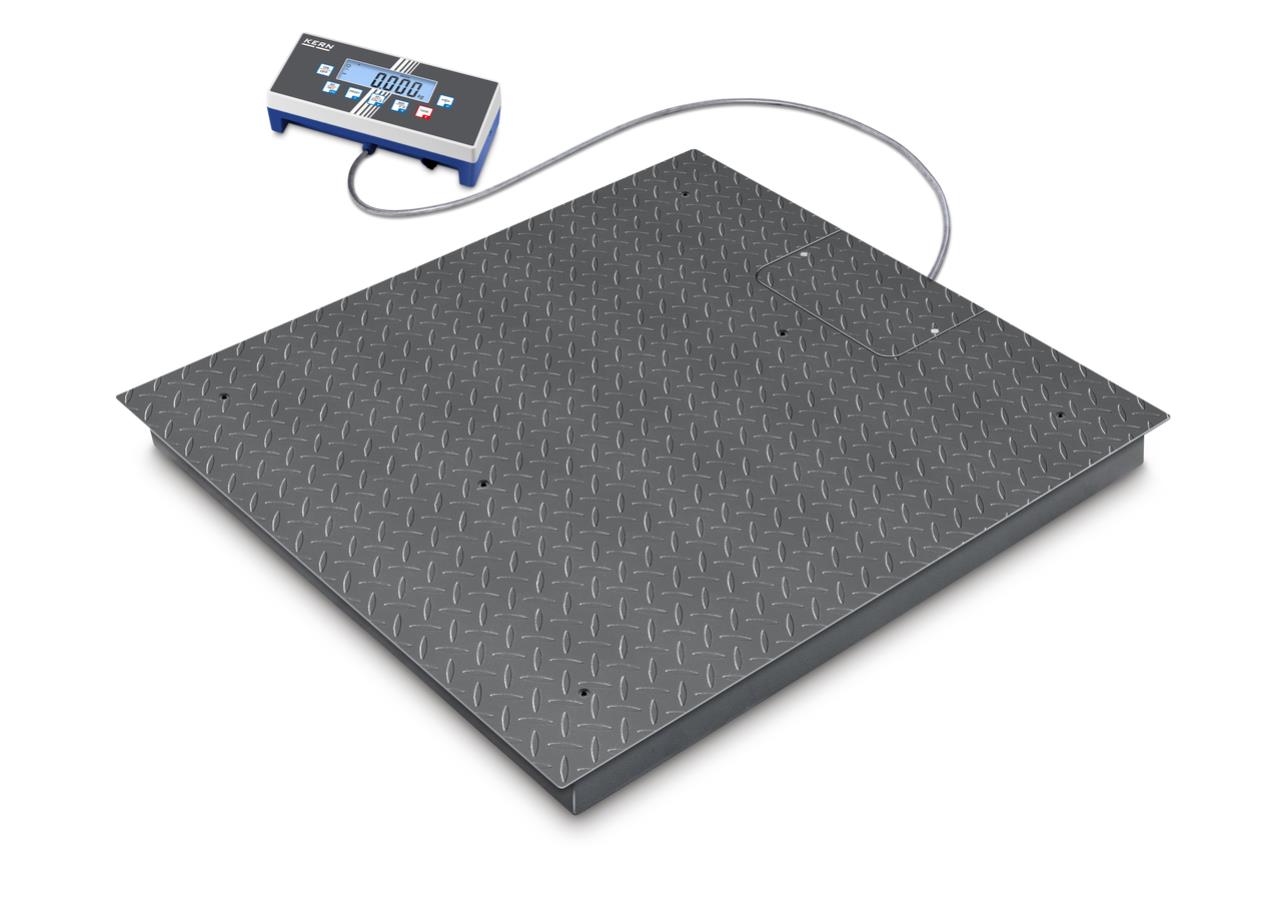
- Weighing range [Max] in kg: 3000
- Weighing plate width in mm: 1200
- Weighing plate depth in mm: 1500
- Weighing plate material: Steel, powder-coated
- Warranty services: DAkkS calibratable, Calibratable
- Industry, Commerce, Precision Measurement, Flexibility
- Rugged, Precise, User-Friendly, Networkable

- Weighing range [Max] in kg: 1500
- Weighing plate width in mm: 1250
- Weighing plate depth in mm: 1250
- Weighing plate material: Steel, painted
- Warranty services: DAkkS calibratable, ISO calibratable
- Industrial, commercial, flexible, precise
- High-precision, robust, multifunctional, integrated printer
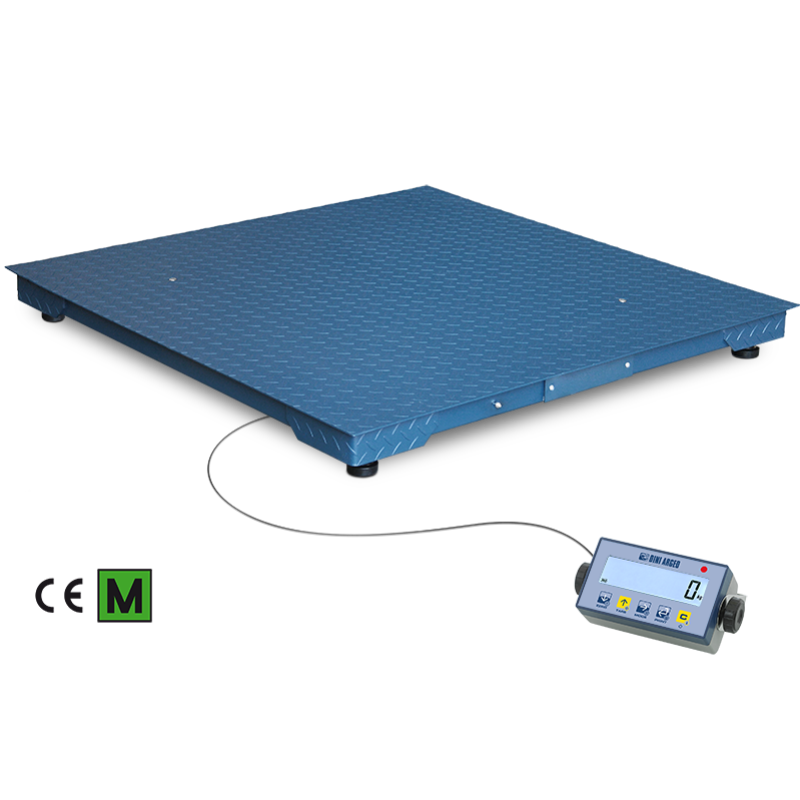
- Weighing range [Max] in kg: 1500
- Industrial and Commercial Scale
- Maximum Precision Weight Measurement

- Weighing range [Max] in kg: 6000
- Weighing plate width in mm: 1250
- Weighing plate depth in mm: 1000
- Weighing plate material: Stainless steel
- Warranty services: DAkkS calibratable, ISO calibratable
- Industry, Logistics, Versatile Weighing
- Robust, Accurate, Easy to Operate
- Weighing range [Max] in kg: 6000
- Weighing plate width in mm: 1250
- Weighing plate depth in mm: 1000
- Weighing plate material: Steel, hot-dip galvanised
- Warranty services: DAkkS calibratable, ISO calibratable
- Industrial use, moisture-resistant
- High-precision, robust steel construction
- Weighing range [Max] in kg: 6000
- Weighing plate width in mm: 1250
- Weighing plate depth in mm: 1000
- Weighing plate material: Steel, painted
- Warranty services: DAkkS calibratable, ISO calibratable
- Industry, Logistics, Warehousing, Shipping
- Precise, Robust, Versatile, Calibratable
- Weighing range [Max] in kg: 6000
- Weighing plate width in mm: 2100
- Weighing plate depth in mm: 1500
- Weighing plate material: Steel, painted
- Warranty services: DAkkS calibratable, ISO calibratable
- Weighing range [Max] in kg: 6000
- Weighing plate width in mm: 1000
- Weighing plate depth in mm: 1000
- Weighing plate material: Steel, hot-dip galvanised
- Warranty services: DAkkS calibratable, ISO calibratable
- Versatile and applicable across multiple industries
- Robust, durable, and corrosion-resistant
- Weighing range [Max] in kg: 6000
- Weighing plate width in mm: 2000
- Weighing plate depth in mm: 1500
- Weighing plate material: Steel, painted
- Warranty services: DAkkS calibratable, ISO calibratable

- Weighing range [Max] in kg: 3000
- Weighing plate width in mm: 1500
- Weighing plate depth in mm: 1500
- Weighing plate material: Steel, painted
- Warranty services: DAkkS calibratable, ISO calibratable








Floor Scales: Precision Weighing for Industry and Commerce
Floor scales are indispensable tools in numerous industrial and commercial environments that enable precise weight measurements. From small warehouses to large freight centers, floor scales are used in various weighing areas. They cover a wide range, from a floor scale 300 kg for light goods to robust floor scales 3000 kg for heavy loads such as truck shipments. Specialized models like the floor scale 1000 kg or pallet scale 1500 kg are ideally suited for weighing pallets and large goods, with the mentioned weight classes representing the commonly occurring measuring ranges at the same time. The adaptability is also evident in specific types, such as the mobile scale up to 1000 kg or the drive-on scale for vehicles. High-quality industrial scales such as the Kern floor scale or Mettler Toledo floor scale guarantee reliability and accuracy in all industrial applications. The rich assortment enables every user to buy the most suitable floor scale for their needs.
Features of Floor Scales
Floor scales are characterized by their robust construction to withstand the daily stresses in industrial environments. Many models are equipped with integrated ramps for easy loading of pallets or goods. These platform scales often offer a flat design to facilitate easy driving on. Modern floor scales offer digital convenience, including a display that ensures easy readability and is often also compatible with printers to be able to record weighing results. Calibratable versions, such as the calibratable floor scale from manufacturers like Soehnle or Ohaus, meet legal requirements and are thus also suitable for commercial transactions. In addition, they are available in various weight classes, from the light scale 500 kg to the heavy-duty scale 5000 kg for particularly heavy loads.
Strengths of High-Quality Floor Scales
The strengths of high-quality floor scales lie in their precision, durability, and versatility. Brand manufacturers such as KERN, DiniArgeo, Ohaus, Baxtran, CAS Scales, ESSMANN and Minebea place great emphasis on high-quality materials and advanced technologies to guarantee error-free weight measurements. Products like the KERN floor scale or Dini Argeo platform scales impress with their user-friendliness and the ability to deliver precise results even in rough industrial environments. Thanks to the reliability of manufacturers such as Radwag, Adam Equipment, and A&D, users can elevate their business processes to a new level of efficiency. Manufacturers Mettler Toledo and Sartorius stand for innovation and excellence in the field of industrial weighing systems and offer solutions like the KERN floor scale or ESSMANN floor scales, which set new standards in terms of accuracy and reliability.